Lassi

Best Punjabi Food Experience

One Place, Endless Flavors: Best Punjabi Food Experience

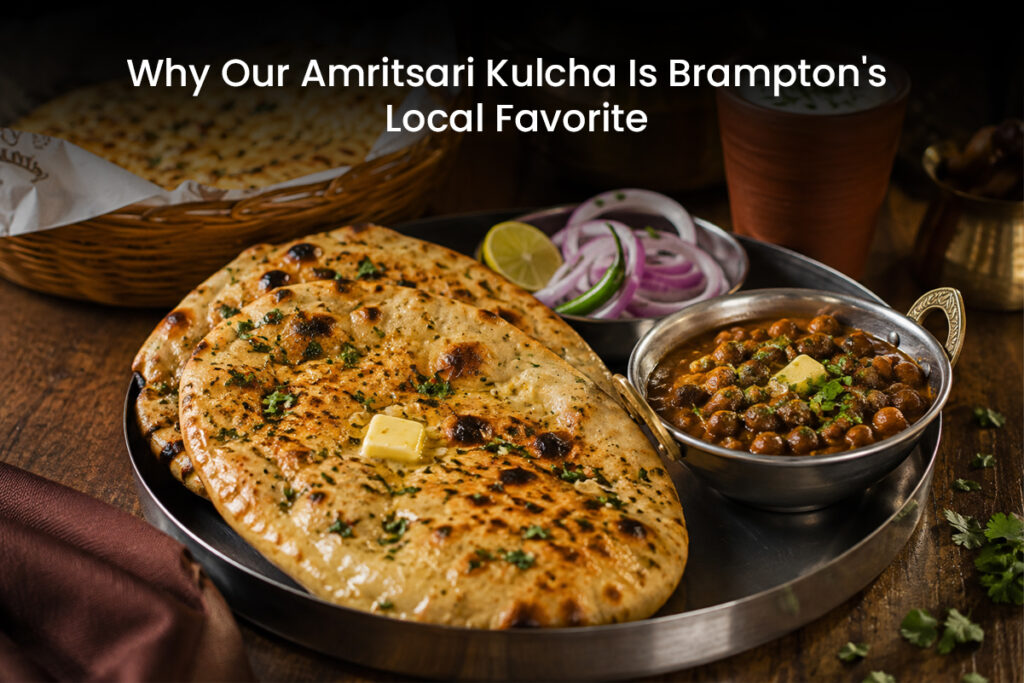
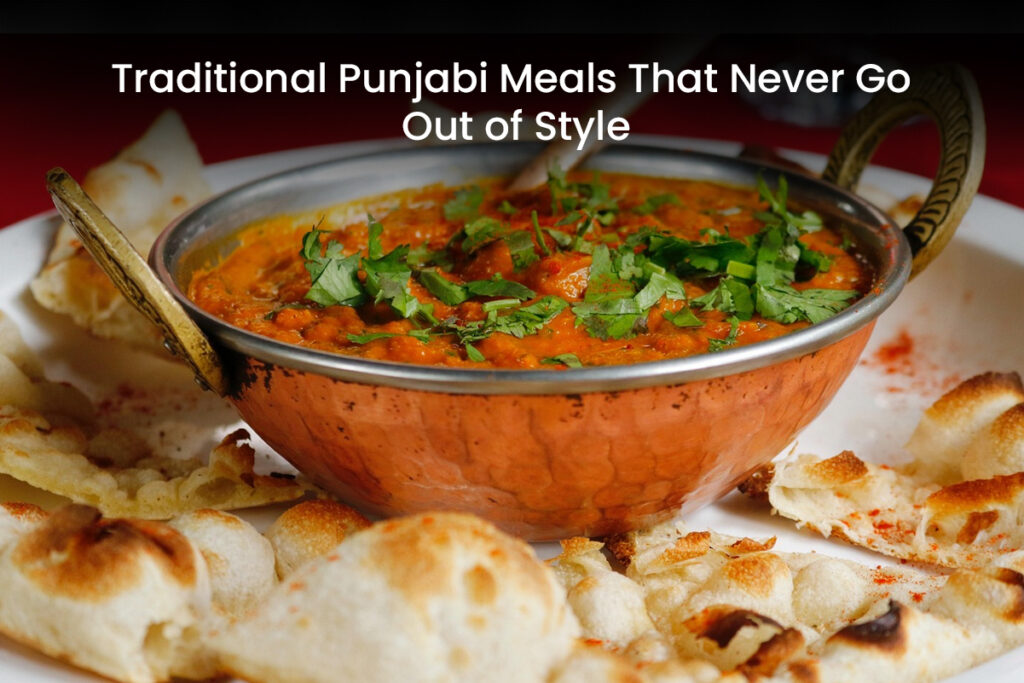
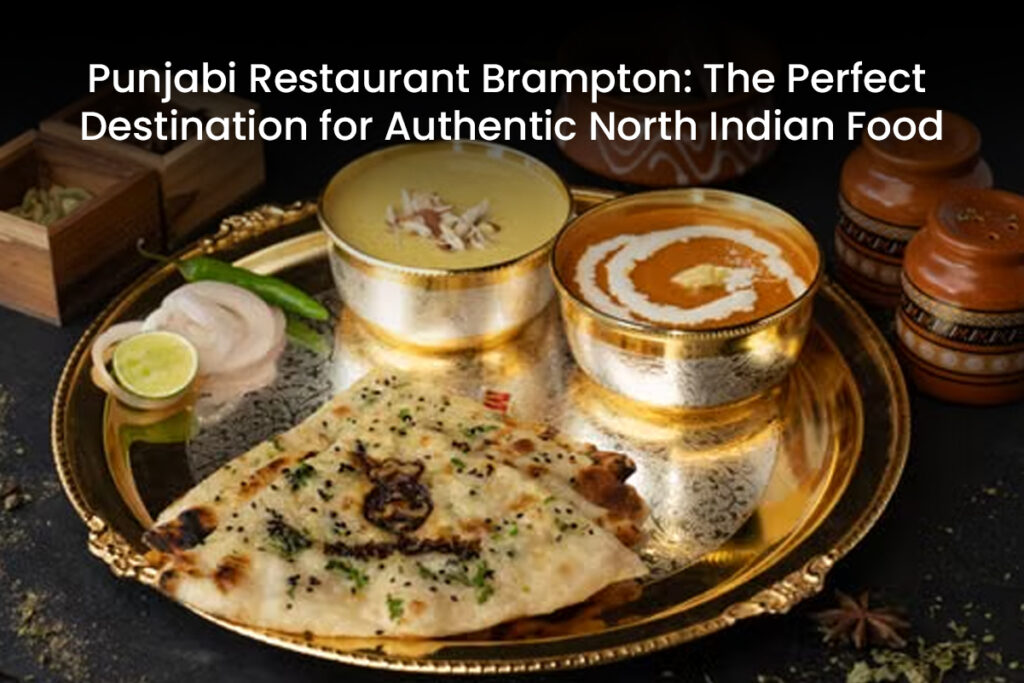
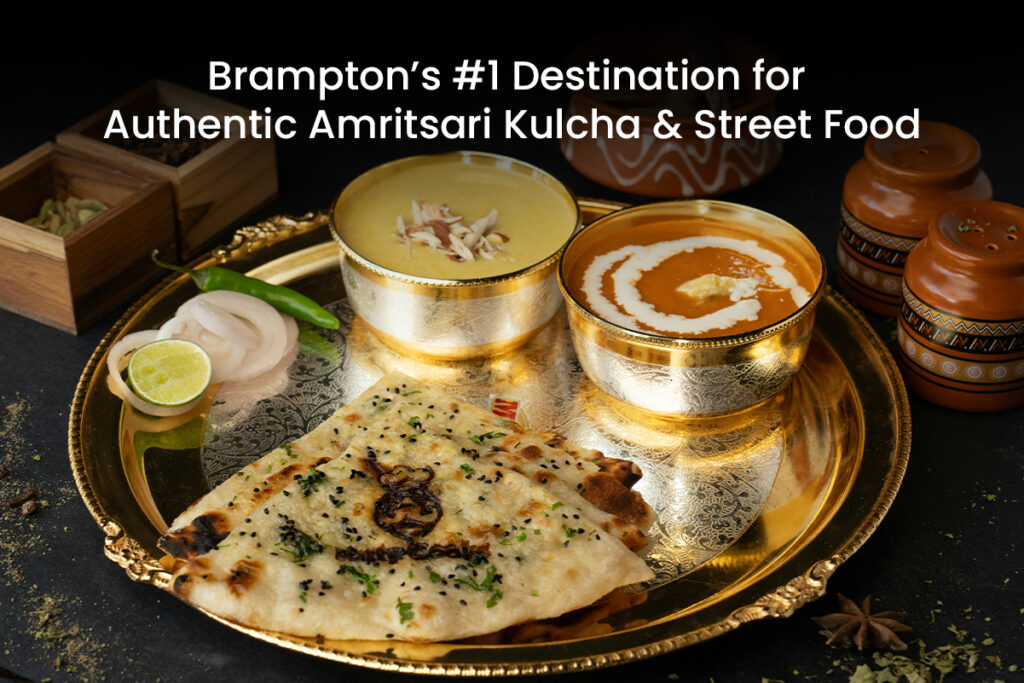
One Place, Endless Flavors: Best Punjabi Food Experience Punjab has always fed people generously. The food is bold, the portions are hearty, and every dish carries a story. Brampton has become a home for that tradition. You can find Punjabi kitchens here that cook with the same spirit as the streets of Amritsar. The flavors travel well when the recipes stay honest. Punjabi food in Brampton has grown into something special. It is not just a cuisine here. It is a culture that locals live inside every day. What Makes Punjabi Food Stand Apart from Everything Else Punjabi cooking is built on a few strong foundations. Fresh ingredients, generous use of butter and ghee, slow cooking over tandoor heat, and recipes passed down through generations. These are not marketing words. They are the actual reasons why a plate of Punjabi food feels different from anything else. Here is what defines the experience: Tandoor Cooking at Its Core: The tandoor is a clay oven that cooks at very high temperatures. Bread comes out charred on the outside and soft inside. Meats pick up a smoky crust that no pan can replicate. This method has been used for centuries and it still cannot be improved upon. Dairy as a Cooking Foundation: Butter, ghee, paneer, and yogurt are not toppings in Punjabi food. They are structural ingredients. They build the base of sauces, enrich the dough, and finish almost every dish. This is why Punjabi food feels satisfying in a way that lingers. Kulcha as a Cultural Icon: Amritsari kulcha is not just bread. It is a regional identity. The stuffed, tandoor-baked flatbread with its crispy edges and soft center is one of the most recognized dishes from Punjab. Paired with chole, it becomes a complete meal that generations have grown up eating. Comfort Without Compromise: Every Punjabi dish is designed to fill you up and make you feel good. Dal makhani, sarson da saag, rajma, and chole are all slow-cooked, deeply spiced, and built for real hunger. There is no lightness here. There is only honesty. Punjabi cuisine respects the eater. It never serves you something halfway done. When every element on the plate is made with full effort, the meal becomes memorable without trying to be. What Is Amritsari Kulcha and Why Does Everyone Talk About It? Amritsari kulcha comes from the city of Amritsar in Punjab. It is a leavened flatbread stuffed with spiced potato or paneer filling, then cooked directly on the walls of a tandoor oven. The outside crisps up with char marks. The inside stays soft and steaming. It is served with white butter and a side of chole. The dish sounds simple. But it is not easy to make well. The dough needs the right hydration and resting time. Its stuffing needs the right balance of spices. The tandoor needs to be at the right temperature. If any one of these is off, the kulcha loses what makes it special. That is why not every kitchen that attempts kulcha gets it right. The ones that do have usually spent years refining the process. Amritsari kulcha Brampton has become increasingly popular because the local Punjabi community recognizes authenticity quickly. A well-made kulcha takes them back to a specific street, a specific memory, a specific feeling of home. The Full Punjabi Spread: Beyond the Kulcha Kulcha may be the headline dish, but Punjabi food is a full story. A proper Punjabi meal covers multiple textures, temperatures, and flavors in a single sitting. Dal makhani is slow-cooked overnight with black lentils and kidney beans. Butter and cream go in at the end. The result is rich, smoky, and deeply savory. You eat it with bread or rice. Either way, it works. Lassi, Chai, and the Drinks That Complete the Meal No Punjabi meal is complete without a drink that balances the richness of the food. Sweet lassi made with thick yogurt and a touch of sugar cools down the heat from spiced dishes. It is thick, cold, and satisfying in a way that no soft drink can match. Masala chai does the opposite. It warms you up after a heavy meal. Ginger, cardamom, and strong tea leaves simmered in milk create something deeply aromatic. Both drinks are as important as the food itself in a proper Punjabi dining experience. Chole Bhature: The Dish That Rivals the Kulcha Chole bhature is the other legendary Punjabi combo. Fluffy deep-fried bread meets a thick, tangy chickpea curry. The bhatura puffs up in hot oil and arrives at the table almost balloon-like. The chole is slow-cooked with tamarind, pomegranate powder, and whole spices. Together they are indulgent and unforgettable. Punjabi food in Brampton reaches its best form when dishes like these are made with full attention. No shortcuts on the chole. No rushing the frying of the bhatura. The details matter at every step. Why Does Authentic Punjabi Food Feel So Different from Regular Indian Food? Because it is built differently from the ground up. Most Indian regional cuisines use lighter oils and subtle spicing. Punjabi cooking goes the other way. It uses fat as a flavor carrier. Dishes are richer, heavier, and more filling. The spicing is bold but not always hot. Aromatic and deep rather than sharp and quick. The cooking times are longer. Dal makhani needs a minimum of six to eight hours of slow cooking to develop its signature taste. Tandoor breads need a practiced hand to get the char right without burning. These are not dishes you rush. We Keep the Tradition Alive at Ambarsari Kulcha BLVD Our kitchen at Ambarsari Kulcha BLVD was built around one simple goal. Serve Punjabi food the way it was always meant to be served. We did not reimagine the recipes. We followed them. Our kulcha dough is prepared fresh every day. Our chole simmers for hours before service begins. We use the tandoor for every order, not just when it is convenient. We knead the dough by hand and let

One Place, Endless Flavors: Best Punjabi Food Experience Read More »

Punjabi Food in Brampton: Famous Dishes You Shouldn’t Miss

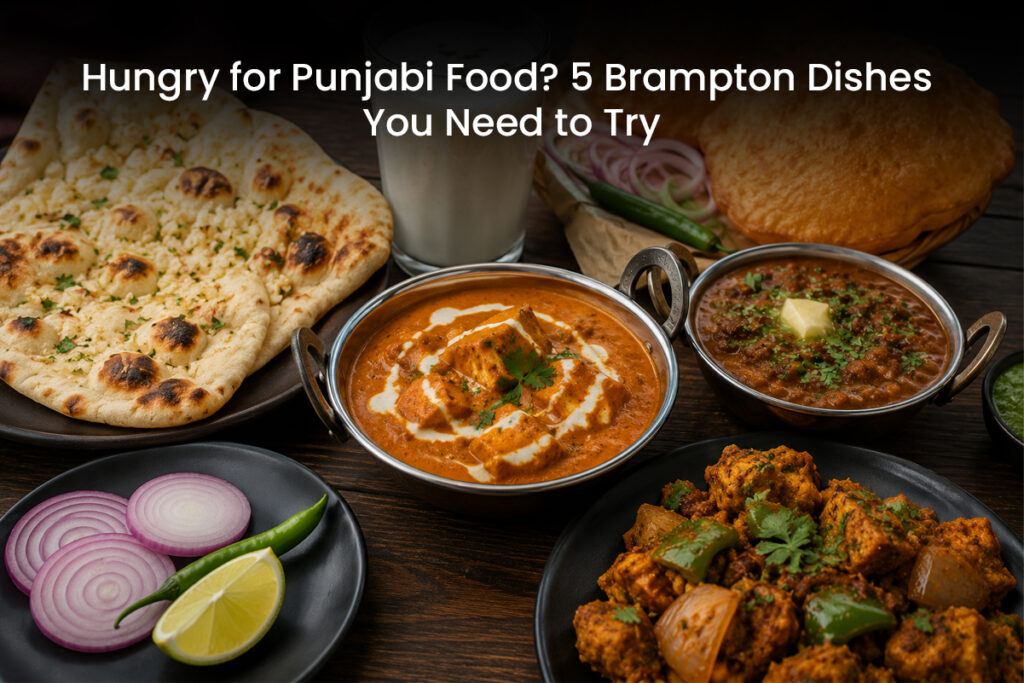
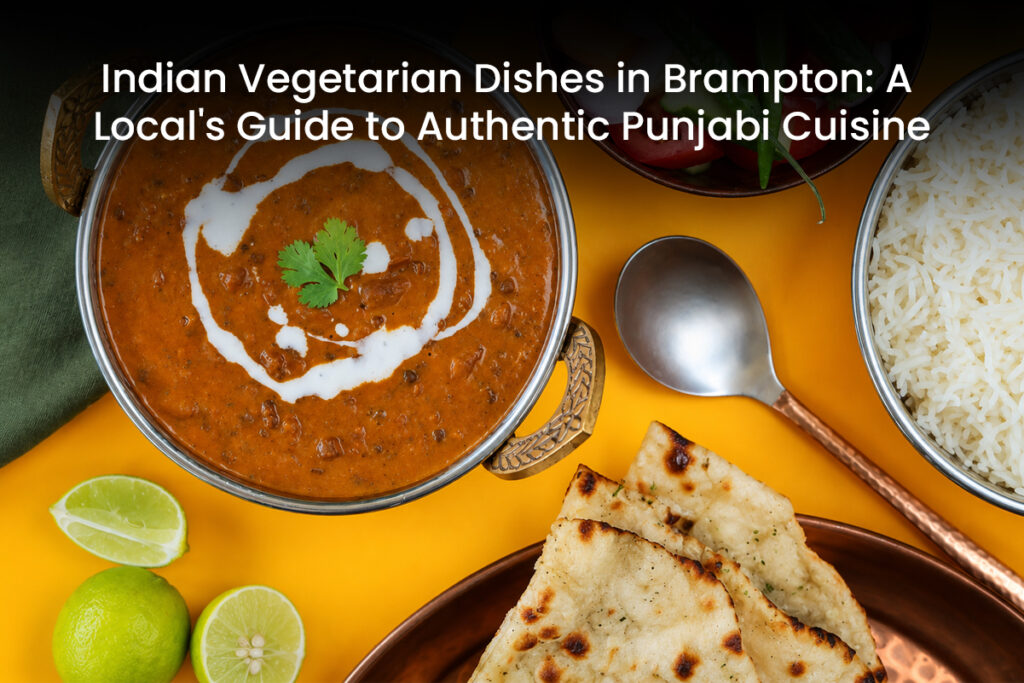
Punjabi Food in Brampton: Famous Dishes You Shouldn’t Miss Brampton has one of the largest Punjabi communities outside of India. Walk down Queen Street or Kennedy Road on any weekend and you will smell it before you see it. Tandoor smoke. Sizzling tawa. Fresh bread puffing in a clay oven. This city does not do watered-down versions of Punjabi food. It does the real thing. People drive from Mississauga, Toronto, and Scarborough specifically to eat here. That says something. If you have never explored Punjabi food in Brampton properly, you are missing one of the best food experiences the GTA has to offer. This is not a restaurant list. This is a dish-by-dish breakdown of what actually matters and why each one hits differently when it is made right. Amritsari Kulcha – The Dish That Starts Every Conversation Ask any Punjabi person what they miss most about home and kulcha comes up within the first three answers. It is that specific. Amritsari kulcha is a stuffed flatbread cooked directly on the inside wall of a tandoor oven. The outside gets crisp and slightly charred. The inside stays soft. The stuffing is spiced potato or paneer, sometimes both, with green chillies, coriander, and a blend of dry spices that varies by cook. What makes the Amritsari version different from regular kulcha is the technique. The dough is layered with butter before it goes into the tandoor. Then it comes out and gets more butter on top. It is served with chhole, a dark and intensely spiced chickpea curry, raw onion, green chutney, and a small bowl of lassi on the side. That combination is not a meal. It is a ritual. Brampton does this dish seriously. Several dhabas and Punjabi eateries here use traditional tandoor setups, not oven-baked shortcuts. The difference is immediate when you bite in. The char, the flakiness, the heat from the spices all land exactly the way they should. If you have only eaten kulcha from a pan-cooked version somewhere else, you have not actually had kulcha yet. Sarson da Saag and Makki di Roti – Winter on a Plate This dish has a season. Punjabis will tell you that sarson da saag only tastes right between November and February when mustard greens are fresh. Brampton’s Punjabi restaurants and home cooks take this seriously. Some spots only put it on the menu when the greens are right. Sarson da saag is slow-cooked mustard greens finished with a heavy hand of desi ghee and topped with a knob of white butter. Makki di roti is a thick cornmeal flatbread cooked on a tawa. You eat them together, breaking the roti and scooping the saag directly with your hands if you are doing it properly. The flavour is earthy, slightly bitter, rich, and deeply satisfying. No restaurant version competes with a home-cooked one, but Brampton comes closer than most cities outside Punjab. Tandoori Chicken – Judge Every Restaurant By This One Dish Tandoori chicken is everywhere. That is exactly why it matters so much to order it in the right place. A properly made tandoori chicken is marinated overnight in yogurt, ginger, garlic, and spices. It goes into a very hot tandoor and cooks fast, sealing in the moisture. The outside gets colour and slight char. The inside stays juicy. The bone-in pieces matter because the bone carries flavour through the heat. Bad tandoori chicken is dry, pale, and tastes like red food colouring. Good tandoori chicken has smokiness, depth, and spice that builds slowly. Punjabi food in Brampton has enough competition that restaurants cannot afford to do this dish badly. The community knows the difference immediately and they will not come back. Order this first at any new spot. It tells you everything about how seriously a kitchen takes its craft. Dal Makhani -The Slow Cook That Cannot Be Rushed Dal makhani is black lentils and kidney beans cooked low and slow for hours with butter, cream, tomatoes, and whole spices. The best versions cook overnight. The lentils break down gradually and absorb everything around them. The result is thick, creamy, and layered with flavour in a way that a two-hour version never achieves. This dish is deceptively simple looking. It arrives dark and rich in a small karahi. One bite and you understand why Punjabi dhabas in India have been serving it for decades without changing the recipe. Brampton gets this dish right more consistently than almost anywhere else in Canada. The Punjabi community here grew up eating the real version and they notice when shortcuts are taken. Lassi – Do Not Skip It Mango lassi is the tourist version. Order the salted lassi or the plain sweet lassi instead. A proper Punjabi lassi is thick, cold, and made with full-fat yogurt churned with water, sugar or salt, and sometimes a pinch of roasted cumin. It comes in a tall steel glass or a clay cup. It cuts through the richness of every dish on this list and resets your palate between bites. In Punjab, lassi is not a drink. It is part of the meal. Brampton understands this completely. Why Brampton’s Punjabi Food Hits Different The ingredients are fresher here. The spice blends are made in-house. The cooks grew up eating these dishes and learned them from people who made them their whole lives. You can find Punjabi food in dozens of cities across Canada. But the depth, the authenticity, and the sheer variety you find in Brampton is on another level. Come hungry. Come with time. And start with the kulcha. Contact Us 400 Steeles Avenue East, Unit 3, Brampton, ON, L6W3R2 kulchablvd@gmail.com 905-497-4321 Monday to Sunday – 10AM to 12AM Our Menu Most Recent Posts All Post Indian Food Indian Restaurant Indian Sweets Punjabi Food Vegetarian Food Authentic Ambarsari Food in Brampton: Discover Real Amritsar-Style Cuisine Best Indian Street Food Near Me in Brampton – Kulcha, Chaat & More Vegetarian Punjabi Food in Brampton: Best Options & Where to Eat Category Indian Food

Punjabi Food in Brampton: Famous Dishes You Shouldn’t Miss Read More »

Authentic Ambarsari Food in Brampton

Authentic Ambarsari Food in Brampton: Discover Real Amritsar-Style Cuisine

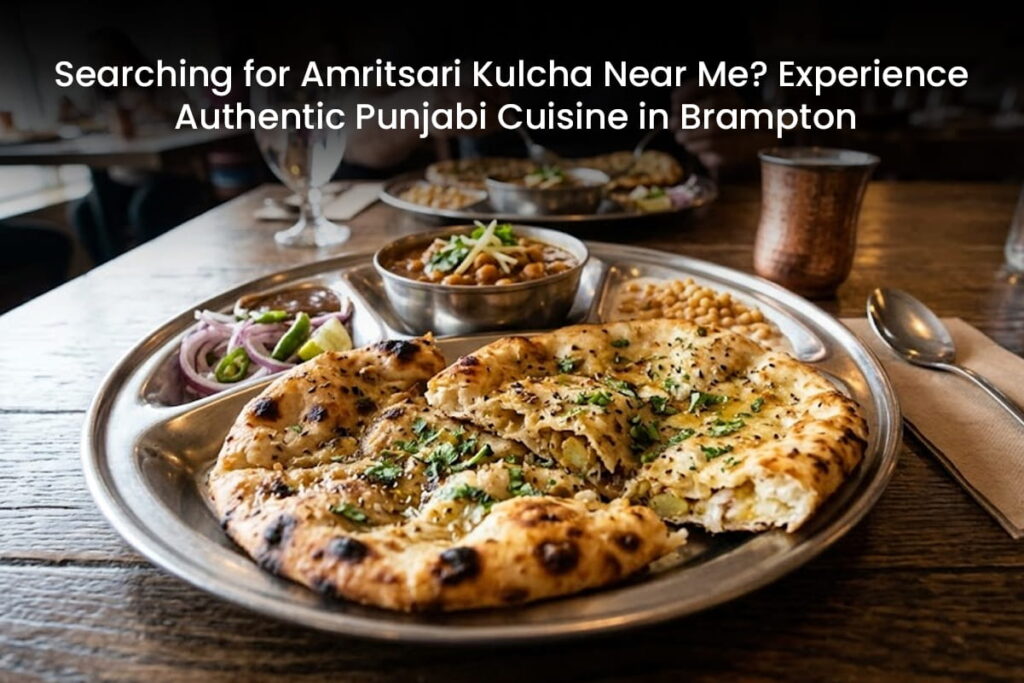
Authentic Ambarsari Food in Brampton: Discover Real Amritsar-Style Cuisine Brampton has become home to one of the largest Punjabi communities outside of India. With that comes a deep hunger for food that actually feels like Punjab. Not an imitation of it. The real thing, like Amritsari kulcha near me. But finding genuinely Ambarsari food in a new city is not easy. Many restaurants serve Punjabi-sounding dishes without understanding what makes them distinct. The gap between a regular kulcha and an Ambarsari kulcha is wider than most people realise. This guide is for anyone who grew up eating this food or wants to discover it properly. Here is what makes Amritsar-style cuisine so special and what to look for when you eat it in Brampton. What Is Ambarsari Food, and Why Does It Stand Apart? Amritsar, locally called Ambarsar, has a food culture that runs deeper than most cities its size. The city sits at the heart of Punjab and has fed pilgrims, traders, and families for centuries. That history shaped a cuisine built around simplicity, generosity, and bold flavour. Ambarsari cooking does not rely on complexity. It relies on quality ingredients and the right technique applied consistently. A dal cooked in a clay pot over a wood fire tastes different from the same dal made on a gas stove. A kulcha baked in a tandoor with the right dough ratio has a crust and chew that no other method replicates. What Makes Ambarsari Food Distinct The identity of this cuisine comes from a few non-negotiable principles that good kitchens follow without shortcuts: Fresh dough is prepared daily. Kulchas and parathas made from dough that rested overnight carry a depth of flavour that quick dough simply cannot match. Chole are cooked from scratch with whole spices, not tinned or pre-made. The gravy should be dark, tangy, and thick from slow reduction. Generous use of white butter and desi ghee. These are not garnishes. They are part of how the dish is meant to taste. Lassi is served thick, fresh, and in large quantities. In Amritsar, lassi is not a side drink. It is a meal by itself. These details separate a kitchen that understands this cuisine from one that merely serves it. When all four are present, you know you are eating the real thing. The Punjabi food in Brampton is growing and so is the expectation for authenticity. Diners here have eaten this food at home their whole lives. They notice the difference immediately. The Kulcha: Amritsar’s Most Iconic Dish If one dish defines Ambarsari food, it is the kulcha. And yet it is one of the most misrepresented dishes outside of Punjab. A proper Ambarsari kulcha is a leavened flatbread baked directly inside a tandoor. The dough is stuffed with a filling of spiced potato, paneer, or a mix of both, then pressed against the clay wall of the oven to cook. The outside develops a slight char while the inside stays soft. It comes out with a crisp base, a tender crumb, and a fragrance from the tandoor that no other cooking method produces. Anyone searching for Amritsari kulcha near me in Brampton should look for these specific signs. The kulcha should be served hot, straight from the tandoor, with a full accompaniment. In Amritsar, that means chole, fresh dahi, special imli chutney, and pickle on the side. Each element of that plate has a purpose. The dahi cools the heat of the chole. The chutney adds tang. The pickle cuts through the richness of the buttered bread. Eating a kulcha without this accompaniment is like getting half the dish. The full plate is the experience. Beyond Kulcha: Other Ambarsari Dishes Worth Knowing Kulcha gets most of the attention. But the full range of Ambarsari food has much more to offer for anyone willing to explore it. Chole Bhature is a close cousin of kulcha chole but with its own distinct identity. The bhatura is a deep-fried puffed bread, light and airy on the inside, golden on the outside. Paired with the same dark, spiced chole, it is one of Punjab’s most satisfying meals. The contrast of textures between the soft bhatura and the rich gravy is what makes it memorable. Sarson da Saag with Makki di Roti is the winter dish that every Punjabi carries in their food memory. Mustard greens cooked low and slow until they become almost silky, served with thick cornmeal flatbread and a large knob of white butter on top. It is a seasonal dish that restaurants rarely do justice to unless they treat it with the same care it gets at home. The Sweet Side of Amritsar-Style Cuisine No conversation about Ambarsari food is complete without talking about sweets. Amritsar has a strong mithai culture. Halwa, pinni, jalebi, and barfi are not afterthoughts. They are a natural extension of how people eat in this city. For anyone looking for a genuine sweet shop Brampton experience that goes beyond standard box sweets, the connection between Ambarsari food culture and traditional mithai is important. The best spots serve sweets made fresh, using full-fat milk, real ghee, and traditional recipes that have not changed in decades. Gulab Jamun made with khoya and fried in pure ghee is different from the packaged version most people have tried. Ras Malai set properly in thickened milk carries a texture and flavour that refrigerated versions lose completely. What to Look for in an Authentic Ambarsari Restaurant in Brampton Not every restaurant that claims Punjabi food actually delivers Ambarsari quality. These are the things worth checking before you sit down: The menu mentions specific regional dishes like Ambarsari kulcha, Lahori kulcha, or Nutri kulcha. Generic menus rarely indicate regional specialisation. Bread is made fresh to order and served immediately. Kulchas sitting under a lamp for ten minutes lose what makes them special. Traditional drinks like lassi and milk badam are on the menu. These signal that the kitchen values the full dining experience. The chole accompaniment is cooked in-house

Authentic Ambarsari Food in Brampton: Discover Real Amritsar-Style Cuisine Read More »

Scroll to Top