Best Sarson Da Saag in Brampton: Authentic Punjabi Taste You Can’t Miss
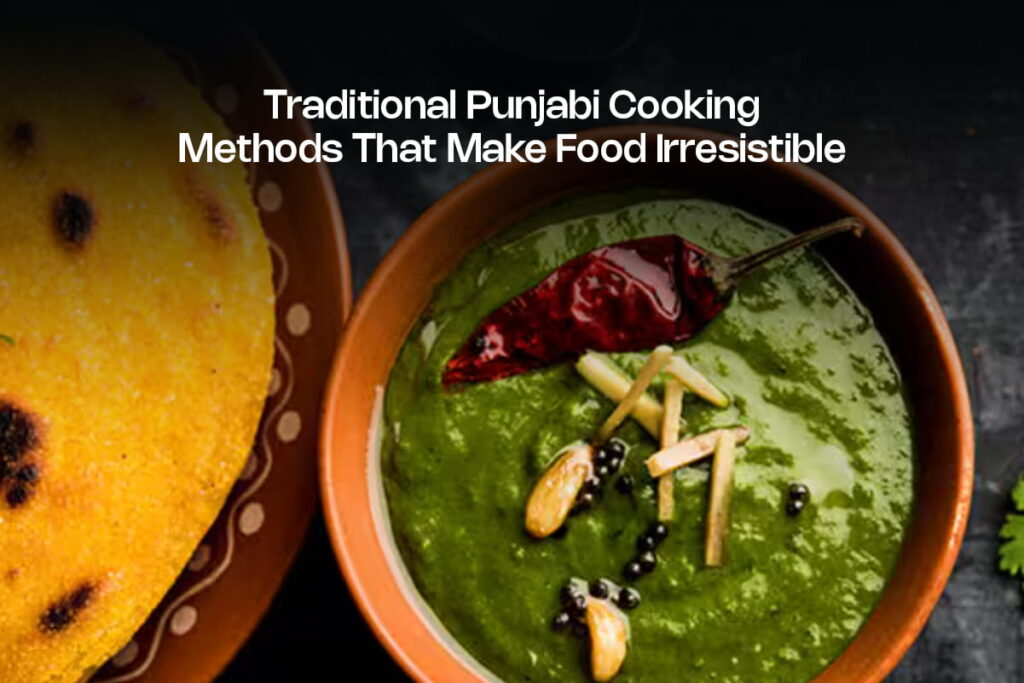
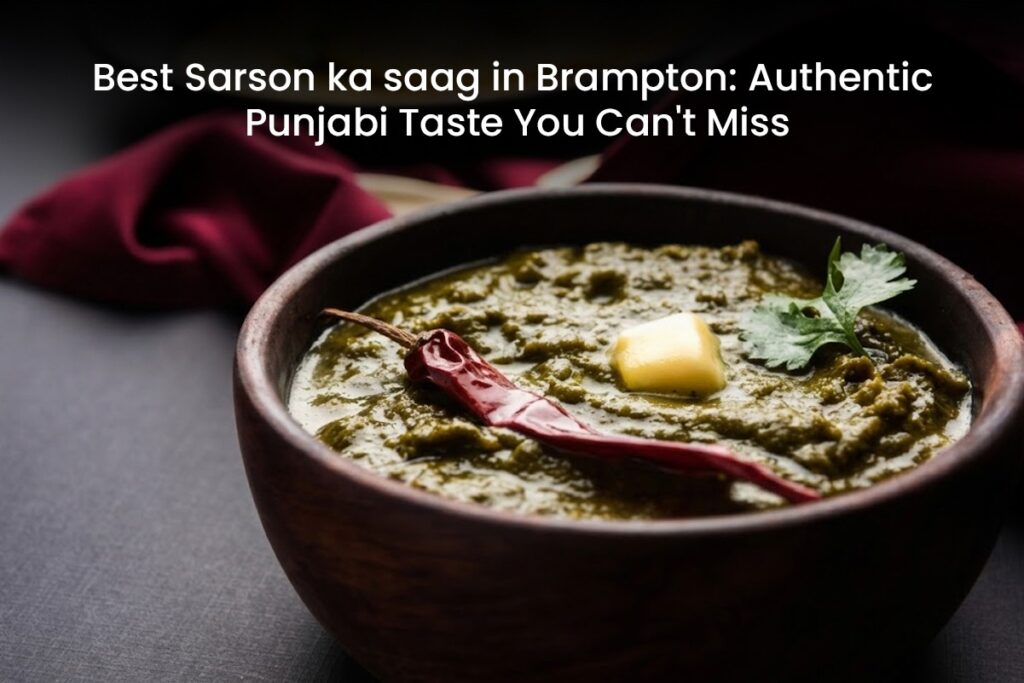
Best Sarson Da Saag in Brampton: Authentic Punjabi Taste You Can’t Miss Sarson da saag is not a dish you order on a whim. It has a season, a method, and a memory attached to it for most Punjabi families. If you grew up in Punjab or grew up watching your parents cook it, you know the difference between the real thing and a rushed version. This dish tells you a lot about a kitchen. Get it right, and you know the rest of the menu is worth trying too. This blog looks at what makes sarson da saag genuinely good, why the season matters, and where to find it done properly if you’re after real Punjabi food in Brampton. What Goes Into a Good Sarson Ka Saag Sarson da saag starts with mustard greens. Not just any greens, and not shortcuts either. The greens get slow cooked for a long stretch, often mixed with spinach or bathua depending on the household or restaurant. This slow cooking breaks the greens down into something smooth, not watery and not overly mashed either. A few things separate an average saag from a proper one. Cooking time: rushed saag tastes raw and grassy. Proper saag needs hours on low heat to develop real depth. Ghee, not oil: desi ghee finishes the dish and gives it that rounded, slightly nutty flavor. Oil just doesn’t do the same job. Balance of greens: too much mustard and the dish turns bitter. A good cook balances it with spinach so the bitterness stays in the background. The white butter on top: this isn’t decoration. It melts into the hot saag and changes the texture with every bite. Get any one of these wrong, and the whole dish falls flat. This is why finding a kitchen that respects the process matters more than finding one with a long menu. Why the Season Matters More Than People Think Ask any Punjabi and they’ll tell you the same thing. Sarson da saag tastes best between November and February, when mustard greens are actually in season. Outside of that window, the greens available are often older or grown out of season, and the flavor just isn’t the same. This is why some restaurants only bring saag back on the menu once winter sets in. It’s not a marketing move. It’s just respecting what the dish is supposed to taste like. If you walk into a place serving saag in the middle of July with the same confidence as they do in January, that’s worth noticing, and not in a good way. Makki Di Roti: The Other Half of the Dish Saag rarely comes alone. Makki di roti, a thick cornmeal flatbread cooked on a tawa, is the traditional pairing. The roti needs to be soft, not dry or crumbly, which is harder to get right than people assume since cornmeal doesn’t hold together the way wheat flour does. Eaten together, the roti and saag balance each other out. The roti’s slightly sweet, grainy texture cuts through the richness of the ghee and greens. This is comfort food built over generations, and it still holds up today for a good reason. What Sets a Real Punjabi Restaurant Apart Brampton has many Indian restaurants to choose from. But not all of them cook Punjabi food the same way. Some restaurants take shortcuts to save time when it gets busy. Others still cook the traditional way, even if it takes longer. Saag is a good dish to judge this by. You can taste when it is made properly. A few signs a restaurant is doing it right: They make fresh dough every day. Whole spices go into the cooking.. Their menu changes with the season. Cooks who know the dish well and adjust it as they go. At Ambarsari Kulcha BLVD, we cook our saag slow. You can order it as a combo with makki di roti for $11.99, or order it on its own. Saag alone is $7.99 for a medium size and $12.49 for a large. Makki di roti costs $3.49 per piece if you want extra. What Else Rounds Out the Meal Saag rarely comes alone on a Punjabi table. A few dishes usually sit alongside it, each adding something different to the meal. Dal makhani brings a richer, creamier contrast if you want something heavier. Rajma with rice works well if you’re looking for a full meal in one bowl. And a simple lassi on the side helps cut through the richness of the ghee, especially if you’re eating during colder months when the meal already feels heavier. Our menu at Ambarsari Kulcha BLVD includes all of these alongside our kulcha and chole, so a full Punjabi spread is possible in one visit instead of piecing it together across different places. Why This Dish Is Worth Seeking Out Sarson da saag isn’t flashy. It doesn’t photograph as well as a loaded kulcha or a plate of chole bhature. But for anyone who grew up around Punjabi kitchens, it’s one of the most honest dishes on the menu. It tells you whether a place is actually cooking or just assembling. If you’re looking for real Punjabi food in Brampton this winter, sarson da saag is a good place to start. Order it alongside makki di roti, and you’ll understand fairly quickly whether the kitchen behind it knows what it’s doing. Contact Us 400 Steeles Avenue East, Unit 3, Brampton, ON, L6W3R2 kulchablvd@gmail.com 905-497-4321 Monday to Sunday – 10AM to 12AM Our Menu Most Recent Posts All Post Amritsari Kulcha Indian Food Indian Restaurant Indian Sweets Punjabi Food Vegetarian Food Searching for Amritsari Kulcha Near Me? Experience Authentic Punjabi Cuisine in Brampton Traditional Punjabi Meals That Never Go Out of Style Indian Vegetarian Dishes in Brampton: A Local’s Guide to Authentic Punjabi Cuisine Category Amritsari Kulcha Indian Food Indian Restaurant Indian Sweets Punjabi Food Vegetarian Food Tags Ambarsari Food Ambarsari food in Brampton Ambarsari kulcha Ambarsari Kulcha BLVD Amritsari kulcha Amritsari
Best Sarson Da Saag in Brampton: Authentic Punjabi Taste You Can’t Miss Read More »