Best Punjabi Food Experience

Best Restaurant for Punjabi Food in Brampton

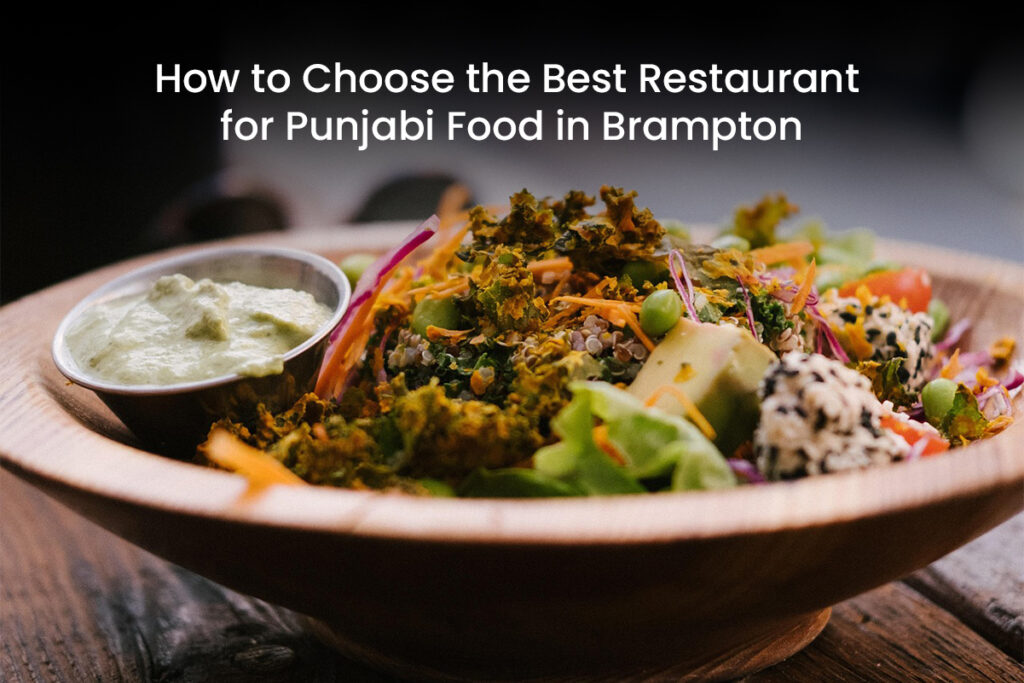
How to Choose the Best Restaurant for Punjabi Food in Brampton

How to Choose the Best Restaurant for Punjabi Food in Brampton Brampton is full of Indian restaurants. Most of them have the word “authentic” somewhere on their sign or menu. But authentic means different things to different kitchens. Choosing the right spot takes more than picking the closest one or the one with the most Google stars. Knowing what to actually look for saves you from a bad meal and helps you find a place worth going back to every week. Why the Right Choice Matters More Than You Think Punjabi cuisine is specific. It has its own dishes, its own techniques and its own flavour profile. It is not the same as North Indian food. Punjabi food in Brampton is not a general curry house menu. Sarson da saag, chole, paranthas, kulcha, lassi — these are Punjabi staples, and they each take real skill to prepare correctly. When a restaurant does not understand this distinction, it shows up on the plate. The chole tastes generic. The parantha feels rushed. The lassi is too thin. None of it feels like it came from a kitchen that actually knows Punjab. This is why picking well matters. A good Punjabi meal is genuinely satisfying. A bad one just leaves you wishing you had cooked at home. Check What the Restaurant Actually Specializes In The first thing to look at is the menu. Not the photos. The actual menu. A restaurant that serves everything — Punjabi, South Indian, Chinese, pizza — is usually not great at any one thing. That kind of menu means the kitchen is trying to appeal to everyone. Real specialization rarely works that way. Look for a restaurant that sticks to a focused selection of Punjabi dishes. Chole bhature, stuffed paranthas, Amritsari kulcha, lassi, saag with makki di roti — if a kitchen lists these and keeps the rest of the menu tight, that is usually a good sign. It means the team knows what they are doing and has decided to do it well. Also look at how the dishes are named. A menu that uses regional names and explains preparation methods shows more culinary awareness than one that just writes “kulcha” and leaves it at that. What the Ingredients and Cooking Method Tell You Good Punjabi food depends heavily on two things: fresh ingredients and traditional cooking methods. You cannot fake either of these for long. Customers notice. Before you commit to a restaurant, try to find out how they source and prepare their food. Some restaurants make dough fresh every day. Others use pre-made bases. Some slow-cook their chole from scratch. Others open a tin and season it. The difference in taste is noticeable from the first bite. Here are four specific things worth checking when you visit a new spot: Tandoor: A real Punjabi kitchen uses a tandoor for kulchas and rotis. Food made in a tandoor has a texture and char that you cannot replicate any other way. Dough freshness: Fresh dough made daily gives kulcha and parantha a softer, lighter texture. Day-old or frozen dough changes the whole experience. Chole preparation: Properly made chole is thick, slow-cooked, and layered with spice. It should never be watery, overly oily, or flat in taste. Accompaniments: In a serious Punjabi kitchen, dishes come with the full set — dahi, imli chutney, pickle — not just a sauce on the side as an afterthought. If a restaurant ticks these four boxes consistently, it is worth your time and your money. If it cuts corners on any of these, the rest of the menu will reflect that same attitude. How to Read Reviews the Right Way Most people read reviews to check the overall star rating. That tells you very little on its own. A restaurant with 4.2 stars can still serve average food. What you want are reviews that talk about specific dishes. Someone who says the Amritsari kulcha was crispy, the chole was well-spiced, or the lassi tasted just like back home — that reviewer has actually eaten the food. That kind of feedback is far more useful than a general five-star comment. Also pay attention to reviews about consistency. A restaurant that gets praise for the same dishes across dozens of reviews is delivering something reliably. One that gets a mix of “amazing last time, disappointing this time” comments may have an inconsistency problem in the kitchen. Look at how the restaurant responds to negative reviews too. A team that responds thoughtfully and takes feedback seriously usually cares about the customer experience more than one that ignores complaints. What You Notice on Your First Visit The first visit tells you a lot. Watch how the food arrives. Does the kulcha come hot and crisp directly from the tandoor? Is the plate complete with all its accompaniments? Does the chole have depth, or does it taste like it was made quickly? At Ambarsari Kulcha BLVD, we built our menu around exactly these standards. We serve the kind of Punjabi food in Brampton that people from Punjab recognize as the real thing. Our kulchas go straight from the tandoor to the table. Our chole is slow-cooked from scratch every day. The lassi, the saag, the paranthas, all of it follows the same approach. We have two locations in Brampton and stay open seven days a week. But more than the convenience, what keeps people coming back to Ambarsari Kulcha BLVD is consistency. The food tastes the same on a Tuesday morning as it does on a Saturday night. That is the standard a good Punjabi restaurant should hold itself to, and it is the same standard you should use when choosing where to eat. Contact Us 400 Steeles Avenue East, Unit 3, Brampton, ON, L6W3R2 kulchablvd@gmail.com 905-497-4321 Monday to Sunday – 10AM to 12AM Our Menu Most Recent Posts All Post Amritsari Kulcha Indian Food Indian Restaurant Indian Sweets Punjabi Food Vegetarian Food Sweet Shop Brampton: Authentic Flavors That Bring India Closer to Home Best Punjabi

How to Choose the Best Restaurant for Punjabi Food in Brampton Read More »
Traditional Punjabi Cooking Methods

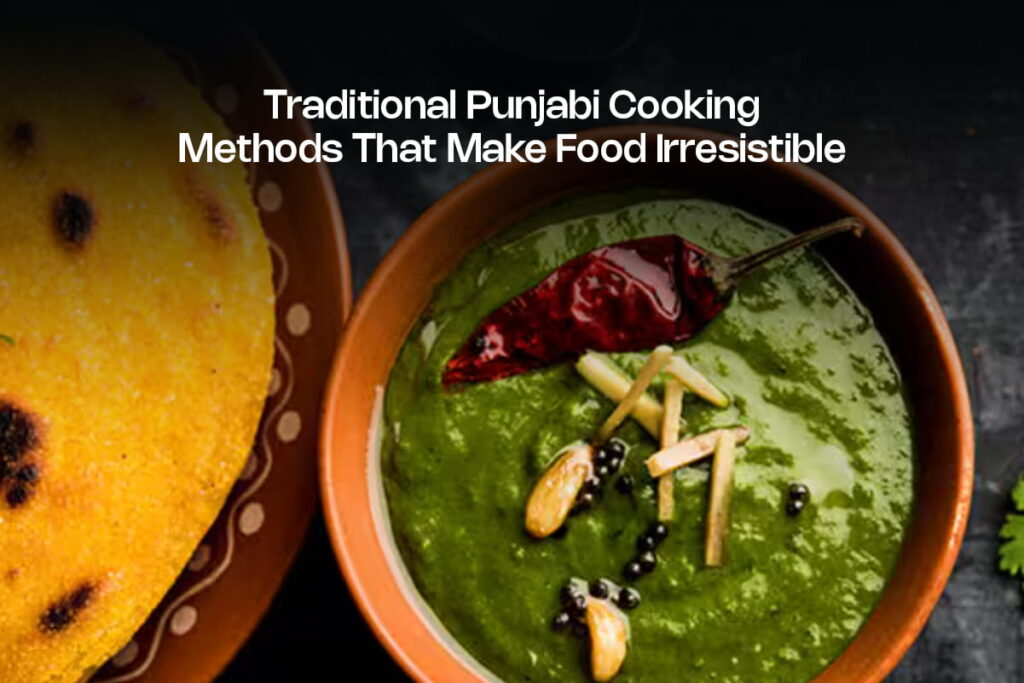
Traditional Punjabi Cooking Methods That Make Food Irresistible

Traditional Punjabi Cooking Methods That Make Food Irresistible Punjabi food has a reputation that travels far beyond the borders of Punjab. The bold flavors, the rich aromas, and that satisfying weight of a proper meal all come from something deeper than just recipes. They come from the way the food is cooked. Traditional Punjabi cooking methods carry centuries of knowledge, and every technique exists for a reason. Understanding those methods helps you appreciate why Punjabi food hits differently. A dal slow-cooked overnight tastes nothing like one made in twenty minutes. The method is the flavor. What Makes Traditional Punjabi Cooking So Different From the Rest? The answer starts with patience. Traditional Punjabi cooks never rush the process. Every technique they use builds flavor layer by layer, and the results speak for themselves. Tandoor cooking: The tandoor is a clay oven that burns at very high heat. Breads go directly onto the inner walls and bake within minutes, developing a slight char on the outside and a soft, airy inside. Meats cook on skewers inside and pick up a smokiness that no gas flame can replicate. Dum cooking: Dum means slow cooking under a sealed lid so no steam escapes. The food cooks in its own moisture at low heat for a long time. This locks in aroma, keeps meat incredibly tender, and allows spices to fully absorb into the dish. Tarka: Tarka means tempering whole spices in hot ghee before adding them to a dish. Cumin, dried chilies, and garlic hit the hot ghee and release their essential oils within seconds. Those oils then carry deep flavor into every part of the dish. Each of these methods does something a shortcut cannot. They pull depth from simple ingredients and turn everyday meals into something memorable. The beauty of it is that none of these methods are complicated. They just require time, attention, and respect for the process. The Role of Ghee in Punjabi Cooking Ghee is not just a cooking fat in Punjab. It is a statement. Every paratha, every dal, every bowl of saag gets finished with a generous spoon of ghee, and that final touch changes everything. Ghee handles very high heat without burning. Its nutty, rich flavor also adds a layer of taste that refined oils simply do not provide. When Punjabi cooks talk about food tasting like home, ghee is almost always part of that memory. Open flame cooking matters too. Roasting tomatoes or green chilies directly on a flame gives them a charred, smoky flavor that forms the base of many classic Punjabi dishes. It is a small step that creates an unmistakable depth in the final dish. The Spices That Drive Punjabi Cooking Punjabi food is bold. And that boldness comes directly from how spices get used, not just which ones make it into the pot. Whole spices like cumin, cloves, and black cardamom go into hot ghee at the very start. Ground spices like coriander, turmeric, and red chili powder come in later, once the base is ready. This layering at different stages builds the complexity Punjabi food is known for. Fresh ingredients matter just as much. Ginger, garlic, and green chilies bring a sharpness that dried spices alone cannot deliver. When people search for authentic Amritsari kulcha Brampton or any real Punjabi dish, what they are actually chasing is that spice balance. Getting it right takes experience. And experience only comes from cooking the traditional way. How Slow Cooking Builds the Flavors Punjabi Food Is Known For Slow cooking is not a trend in Punjab. It has always been the standard. Dishes like rajma, chole, and dal makhani need long hours on low heat to reach their full potential. The spices need time to bloom. The lentils need time to break down and thicken. The flavors need time to find each other. This is why Punjabi food cooked at home by someone’s grandmother tastes so different from a rushed restaurant version. The grandmother gave it time. Time is the ingredient that no recipe can list but every great dish contains. Slow cooking in Punjabi kitchens follows a few consistent principles: Onions get cooked low and slow until they are deeply golden, not just soft Whole spices go in early so they have time to release their full flavor into the oil Tomatoes cook down completely before anything else joins the pot The flame drops to its lowest point once all the ingredients come together These steps are not optional. They are the reason Punjabi food tastes the way it does. When people search for authentic Punjabi food in Brampton, they are not just looking for the right ingredients. They are looking for food made with the right process. That distinction matters more than most people realize. Good Punjabi Food Has No Shortcuts Traditional Punjabi cooking is not about complexity. It is about commitment. Commitment to the right method, the right heat, and the right amount of time. Every technique described here has survived generations because it works. At Ambarsari Kulcha BLVD, our kitchen follows these same traditional methods. We believe that good Punjabi food in Brampton should taste exactly like it does back home, and the only way to deliver that is to never cut corners on how it is made. Contact Us 400 Steeles Avenue East, Unit 3, Brampton, ON, L6W3R2 kulchablvd@gmail.com 905-497-4321 Monday to Sunday – 10AM to 12AM Our Menu Most Recent Posts All Post Indian Food Indian Restaurant Indian Sweets Punjabi Food Vegetarian Food Best Indian Breakfast in Brampton: Kulcha, Chole & Lassi One Place, Endless Flavors: Best Punjabi Food Experience Sweet Shop Brampton: Discover Fresh Jalebi, Gulab Jamun & More Category Indian Food Indian Restaurant Indian Sweets Punjabi Food Vegetarian Food Tags Ambarsari Food Ambarsari food in Brampton Ambarsari kulcha Ambarsari Kulcha BLVD Amritsari kulcha Amritsari kulcha near me Authentic Ambarsari Food in Brampton Authentic Punjabi Vegetarian Food Authentic Punjabi Vegetarian Food in Brampton Best Indian Breakfast Best Indian Breakfast in Brampton Best Indian Food Best

Traditional Punjabi Cooking Methods That Make Food Irresistible Read More »

Best Punjabi Food Experience

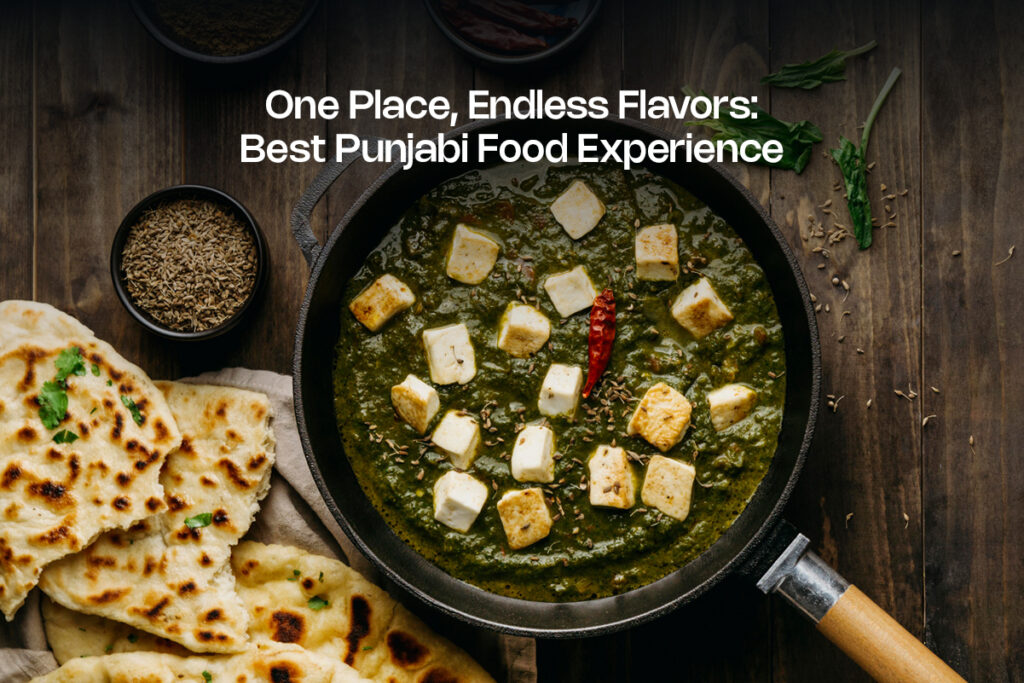
One Place, Endless Flavors: Best Punjabi Food Experience

One Place, Endless Flavors: Best Punjabi Food Experience Punjab has always fed people generously. The food is bold, the portions are hearty, and every dish carries a story. Brampton has become a home for that tradition. You can find Punjabi kitchens here that cook with the same spirit as the streets of Amritsar. The flavors travel well when the recipes stay honest. Punjabi food in Brampton has grown into something special. It is not just a cuisine here. It is a culture that locals live inside every day. What Makes Punjabi Food Stand Apart from Everything Else Punjabi cooking is built on a few strong foundations. Fresh ingredients, generous use of butter and ghee, slow cooking over tandoor heat, and recipes passed down through generations. These are not marketing words. They are the actual reasons why a plate of Punjabi food feels different from anything else. Here is what defines the experience: Tandoor Cooking at Its Core: The tandoor is a clay oven that cooks at very high temperatures. Bread comes out charred on the outside and soft inside. Meats pick up a smoky crust that no pan can replicate. This method has been used for centuries and it still cannot be improved upon. Dairy as a Cooking Foundation: Butter, ghee, paneer, and yogurt are not toppings in Punjabi food. They are structural ingredients. They build the base of sauces, enrich the dough, and finish almost every dish. This is why Punjabi food feels satisfying in a way that lingers. Kulcha as a Cultural Icon: Amritsari kulcha is not just bread. It is a regional identity. The stuffed, tandoor-baked flatbread with its crispy edges and soft center is one of the most recognized dishes from Punjab. Paired with chole, it becomes a complete meal that generations have grown up eating. Comfort Without Compromise: Every Punjabi dish is designed to fill you up and make you feel good. Dal makhani, sarson da saag, rajma, and chole are all slow-cooked, deeply spiced, and built for real hunger. There is no lightness here. There is only honesty. Punjabi cuisine respects the eater. It never serves you something halfway done. When every element on the plate is made with full effort, the meal becomes memorable without trying to be. What Is Amritsari Kulcha and Why Does Everyone Talk About It? Amritsari kulcha comes from the city of Amritsar in Punjab. It is a leavened flatbread stuffed with spiced potato or paneer filling, then cooked directly on the walls of a tandoor oven. The outside crisps up with char marks. The inside stays soft and steaming. It is served with white butter and a side of chole. The dish sounds simple. But it is not easy to make well. The dough needs the right hydration and resting time. Its stuffing needs the right balance of spices. The tandoor needs to be at the right temperature. If any one of these is off, the kulcha loses what makes it special. That is why not every kitchen that attempts kulcha gets it right. The ones that do have usually spent years refining the process. Amritsari kulcha Brampton has become increasingly popular because the local Punjabi community recognizes authenticity quickly. A well-made kulcha takes them back to a specific street, a specific memory, a specific feeling of home. The Full Punjabi Spread: Beyond the Kulcha Kulcha may be the headline dish, but Punjabi food is a full story. A proper Punjabi meal covers multiple textures, temperatures, and flavors in a single sitting. Dal makhani is slow-cooked overnight with black lentils and kidney beans. Butter and cream go in at the end. The result is rich, smoky, and deeply savory. You eat it with bread or rice. Either way, it works. Lassi, Chai, and the Drinks That Complete the Meal No Punjabi meal is complete without a drink that balances the richness of the food. Sweet lassi made with thick yogurt and a touch of sugar cools down the heat from spiced dishes. It is thick, cold, and satisfying in a way that no soft drink can match. Masala chai does the opposite. It warms you up after a heavy meal. Ginger, cardamom, and strong tea leaves simmered in milk create something deeply aromatic. Both drinks are as important as the food itself in a proper Punjabi dining experience. Chole Bhature: The Dish That Rivals the Kulcha Chole bhature is the other legendary Punjabi combo. Fluffy deep-fried bread meets a thick, tangy chickpea curry. The bhatura puffs up in hot oil and arrives at the table almost balloon-like. The chole is slow-cooked with tamarind, pomegranate powder, and whole spices. Together they are indulgent and unforgettable. Punjabi food in Brampton reaches its best form when dishes like these are made with full attention. No shortcuts on the chole. No rushing the frying of the bhatura. The details matter at every step. Why Does Authentic Punjabi Food Feel So Different from Regular Indian Food? Because it is built differently from the ground up. Most Indian regional cuisines use lighter oils and subtle spicing. Punjabi cooking goes the other way. It uses fat as a flavor carrier. Dishes are richer, heavier, and more filling. The spicing is bold but not always hot. Aromatic and deep rather than sharp and quick. The cooking times are longer. Dal makhani needs a minimum of six to eight hours of slow cooking to develop its signature taste. Tandoor breads need a practiced hand to get the char right without burning. These are not dishes you rush. We Keep the Tradition Alive at Ambarsari Kulcha BLVD Our kitchen at Ambarsari Kulcha BLVD was built around one simple goal. Serve Punjabi food the way it was always meant to be served. We did not reimagine the recipes. We followed them. Our kulcha dough is prepared fresh every day. Our chole simmers for hours before service begins. We use the tandoor for every order, not just when it is convenient. We knead the dough by hand and let

One Place, Endless Flavors: Best Punjabi Food Experience Read More »

Scroll to Top